
Introduction
Life moves fast. Between responsibilities, screens, and constant demands, many people operate on autopilot without realizing it.
Mindfulness offers a different way of moving through the day—not by adding more tasks, but by changing how you relate to each moment. It’s not about perfection or constant calm. It’s about awareness.
When mindfulness becomes part of your daily routine, it helps you slow down, reconnect with yourself, and respond to life with greater clarity and balance.
What Mindfulness Really Means in Daily Life
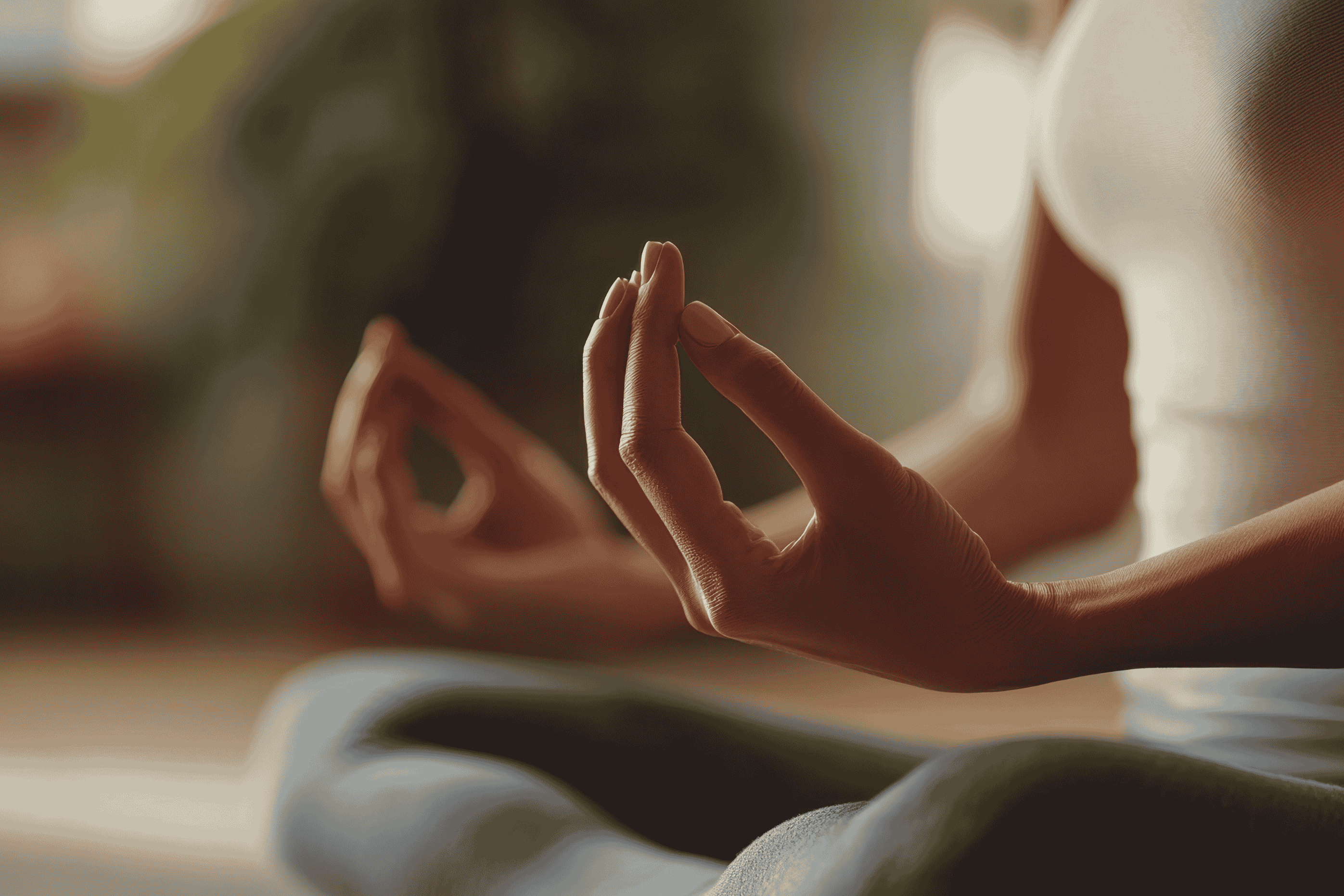
Mindfulness is the practice of paying attention to the present moment with openness and intention. It involves noticing your thoughts, emotions, body sensations, and surroundings without judgment.
In daily life, mindfulness shows up in small, practical ways—how you breathe, listen, eat, walk, and respond to stress. It’s less about formal meditation and more about how aware you are while doing everyday activities.
Mindfulness doesn’t require silence, special equipment, or long sessions. It begins with attention.
Why Mindfulness Matters in Everyday Routines
Without awareness, the mind tends to stay busy with past worries or future concerns. This can lead to stress, emotional reactivity, and disconnection from yourself and others.
Mindfulness creates space. It allows you to pause, reset, and choose how you respond instead of reacting automatically.
People who practice mindfulness regularly often notice that they:
Feel more grounded during stressful moments
Experience improved emotional regulation
Respond more thoughtfully instead of impulsively
Develop a stronger connection to their body and emotions
Feel more present in conversations and daily tasks
Over time, these small shifts create meaningful changes in how life feels.

Simple Ways to Incorporate Mindfulness into Your Day
Mindfulness grows through consistency, not intensity. These practical approaches can be woven into your routine without adding pressure:
1. Start your day with awareness.
Before reaching for your phone, take a few slow breaths and notice how your body feels. This sets a grounded tone for the day.
2. Use the breath as an anchor.
Throughout the day, pause and take three conscious breaths. This helps regulate the nervous system and bring you back to the present.
3. Practice mindful transitions.
Notice moments between activities—walking to another room, sitting down, or standing up. These pauses help reduce mental overload.
4. Eat with presence.
Slow down during meals. Notice textures, flavors, and your body’s signals. This builds awareness and improves digestion and satisfaction.
5. Listen fully.
When someone speaks, focus on understanding rather than preparing a response. Mindful listening deepens connection.
6. End the day with reflection.
Take a moment to notice what went well, what felt challenging, and how your body feels before rest.
Overcoming Common Challenges with Mindfulness
Many people believe mindfulness requires a calm mind or a lot of time. In reality, it’s normal for the mind to wander. The practice is noticing and gently returning to the present.
When mindfulness feels difficult:
Keep practices short and simple
Let go of expectations
Focus on consistency instead of results
Meet distractions with patience
Treat awareness as a skill, not a goal
Mindfulness is not about fixing yourself—it’s about understanding yourself.
Creating a Mindful Environment
Your surroundings can support or disrupt mindfulness. Small adjustments can make a big difference.
You can encourage mindfulness by:
Reducing unnecessary distractions
Creating moments of quiet during the day
Setting reminders to pause and breathe
Allowing space for rest without guilt
Choosing routines that feel supportive rather than rushed
A mindful environment supports emotional balance and mental clarity.
The Long-Term Impact of Mindful Living
Mindfulness doesn’t just change moments—it changes patterns.
Over time, it supports emotional resilience, clearer thinking, healthier relationships, and a stronger sense of self-awareness.
Living mindfully helps you respond to life with steadiness instead of overwhelm, and presence instead of distraction.
Conclusion
Mindfulness is not something you achieve—it’s something you practice. It grows one moment at a time, through awareness, patience, and intention.
By incorporating mindfulness into your daily routine, you create space to breathe, reflect, and reconnect with yourself amid life’s demands.
At Mindarts, we believe mindfulness is a foundation for emotional balance, clarity, and meaningful transformation. True change begins with awareness—and it starts right where you are.

FAQs
1. Do I need to meditate to practice mindfulness?
No. Mindfulness can be practiced during everyday activities like breathing, walking, or listening.
2. How much time does mindfulness require each day?
Even a few minutes of intentional awareness can make a difference when practiced consistently.
3. Can mindfulness help with stress and emotional regulation?
Yes. Mindfulness supports nervous system regulation and helps reduce emotional reactivity.
4. What if my mind keeps wandering?
That’s normal. Mindfulness is about noticing when it wanders and gently bringing it back.
5. How long does it take to feel the benefits of mindfulness?
Some benefits appear quickly, while deeper changes develop with regular practice over time.
SHARE THIS
COMMENTS

Our mission is to guide individuals, teams, and organizations on transformative journeys of self-awareness and emotional intelligence. Through science-backed assessments, actionable insights, and tailored strategies, we empower people to unlock their potential, strengthen relationships, and achieve authentic success in both personal and professional life.
CONTACT INFO
@2026 Mindarts | All Rights Reserved
Terms & Conditions | Privacy Policy | Cookie Policy | Impressum

Our mission is to guide individuals on a transformative journey of emotional intelligence, helping them discover and understand who they are to unlock their full potential, build meaningful connections, and write their own stories of success and fulfillment.
CONTACT INFO
@2026 Mindarts | All Rights Reserved
Terms & Conditions | Privacy Policy | Cookie Policy | Impressum